Source eco friendly tencel fabric foam bed for Hotel, Home, School
Compare 30 listings for eco friendly tencel fabric foam bed options suitable for hotels, homes, and schools. Buyers can evaluate features like independent bag-style springs, medium hardness, and customizable sizes from verified suppliers in China.
Key considerations
Products List


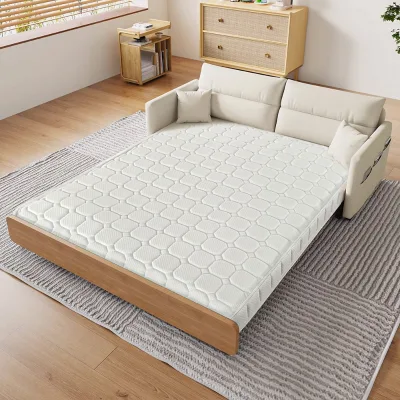


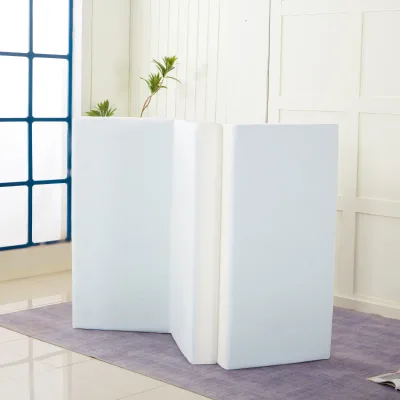
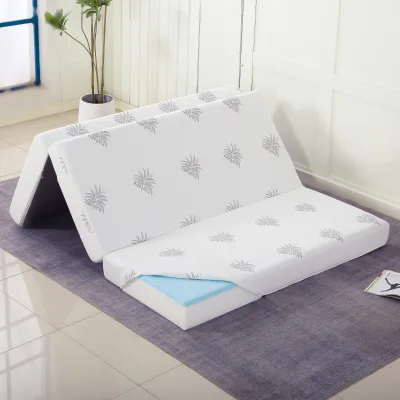


Comprehensive Sourcing Guide
Strategic Sourcing Guide for Eco-Friendly Tencel Fabric Foam Beds
Understanding Product Attributes and Material Composition
When sourcing eco-friendly Tencel fabric foam beds, buyers must first distinguish between the core mattress structure and the specific fabric coverings that define the product's sustainability profile. The supplied product data indicates a diverse range of mattress types, including foam-based units and spring mattresses, with varying cover materials. While the core keyword emphasizes Tencel, the available market data reveals that many listed products utilize 100% Polyester fabric or knitted fabrics as their primary cover material. For a buyer specifically seeking Tencel, it is critical to verify the "cover material" attribute against the supplier's specific inventory, as the provided facts list "Other" and "Knitted Fabric" as common categories.
The structural integrity of these beds often relies on high-density sponge padding, with observed specifications ranging from 2 cm to 3 cm in thickness. The hardness level is frequently categorized as "Medium," which aligns with general comfort expectations for home and hotel applications. The shape of these units is predominantly rectangular, adhering to standard bed dimensions such as 1.5x2.0m, 140x190cm, or larger configurations like Queen (152x203cm) and King (181x203cm). It is important to note that while some listings mention "Tencel" as a desired attribute, the explicit data provided lists "100% Polyester Fabric" and "Knitted Fabric" as the standard offerings. Therefore, the procurement strategy must focus on confirming the specific fiber composition of the cover, ensuring that the "Eco-friendly" claim is substantiated by the actual material specification rather than assumed marketing terminology.
Technical Specifications and Dimensional Standards
The technical landscape for foam beds and mattress toppers involves precise dimensional and structural requirements. The observed product models, such as MEMOS, 2026 RHG Soft Beds, KMET02, and KNSM044, demonstrate that manufacturers offer a wide array of sizes. The standard sizes mentioned include Single (99x191cm), Queen, and King dimensions, alongside specific topper sizes like 140x190cm and 1.5x2.0m. Buyers must recognize that while some products come in fixed standard sizes, others offer "as sample" or "customized" dimensions, particularly for toppers and convertible units.
The thickness and density of the foam are critical technical parameters. The data highlights "High-Density Sponge Padding" of 2 cm and 3 cm, suggesting that the core comfort layer varies by product line. For eco-friendly foam beds, the density of the foam itself is a key indicator of durability and support. Additionally, the "Hardness" is consistently listed as "Medium," which implies a balanced feel suitable for various sleeping preferences. The "Pattern" is often described as "Tight Top," indicating a specific surface texture that may affect breathability and fabric tension.
When evaluating the "Shape" and "Type," the market offers both foam and spring-based options. The "Support" mechanism can range from independent bag-style springs to pure foam structures. For a buyer focused on Tencel fabric, the interaction between the fabric cover and the underlying foam or spring system is paramount. The "Feature" list includes attributes like "Foldable," "Convertible," and "Removable Cover," which are essential for maintenance and versatility. These features suggest that the fabric cover is designed to be easily managed, a crucial aspect for maintaining the hygiene and longevity of eco-friendly materials.
Compliance, Certification, and Material Verification
Verifying the environmental claims of Tencel fabric requires a rigorous approach to compliance and certification. While the provided facts mention "GOTS" (Global Organic Textile Standard) in a low-confidence background section, this should not be treated as a guaranteed attribute for all listed products. Instead, buyers must treat certification status as a variable that requires active verification. The supplied data lists standards such as "EU," "US," and "ISO," which serve as a baseline for regulatory compliance but do not automatically confirm the organic or sustainable nature of the Tencel fiber.
Tencel, a brand name for lyocell fiber, is inherently eco-friendly due to its closed-loop production process, but the final product's certification depends on the specific manufacturing batch. Buyers should request specific documentation proving the origin of the fabric and its adherence to environmental standards. The "Standard" attribute in the data includes "EU, Us, and ISO," which suggests that the products meet general regional and international safety and quality benchmarks. However, for a product to be truly "eco-friendly" in the context of Tencel, the buyer must verify if the fabric cover meets specific organic textile certifications, such as GOTS or Oeko-Tex, which are not explicitly confirmed in the high-confidence facts.
The "Logo" options, including "Embroidery/Printed," and the "OEM" (Original Equipment Manufacturer) acceptability indicate that customization is a standard part of the supply chain. This customization capability extends to material selection. If a buyer specifies Tencel, the supplier must confirm that the "Cover material" attribute aligns with this request. The data shows "Any Color" and "Customized" options, which allows for branding consistency, but the material composition must remain the primary focus. Buyers should not assume that "Eco-friendly" is a default attribute; it must be a specific line item in the purchase order and verified through third-party testing or supplier declarations.
Cost Drivers and Pricing Dynamics
The pricing for eco-friendly foam beds is influenced by several dynamic factors, including material composition, customization levels, and packaging requirements. The observed price range in the market spans from $5 to $1,023 USD, reflecting a vast difference between basic toppers and premium, fully customized mattress systems. This wide variance suggests that the cost is heavily driven by the complexity of the product, the quality of the foam density, and the specific fabric used.
For a product featuring Tencel fabric, the cost will likely be higher than standard polyester or knitted fabric alternatives. The "MOQ" (Minimum Order Quantity) ranges from 1 to 300 units, with specific notes indicating that 100 pieces are required for custom sizes and styles. This threshold is a significant cost driver; ordering below the MOQ may result in higher per-unit costs or require the buyer to accept standard, non-customized inventory. The "Price Term" is listed as "EXW or FOB," which means the buyer is responsible for logistics costs from the factory gate or port, respectively. This impacts the total landed cost and requires careful calculation of shipping and insurance expenses.
Packaging also plays a role in cost. The data mentions "Standarded Compressed Packages" and "Rolled Packing," which are designed to reduce shipping volume and costs. However, eco-friendly packaging solutions, if requested, may incur additional charges. The "Condition" of the products is listed as "New," ensuring that buyers receive fresh inventory, but the "Seasons" attribute (e.g., Spring) might influence demand and pricing fluctuations. Buyers should anticipate that custom orders involving specific eco-friendly materials will fall on the higher end of the price spectrum, particularly when the MOQ is met and the product includes advanced features like "Massage," "Cooling," or "Hypo-Allergenic" properties.
Typical Applications and Market Segmentation
The versatility of foam beds with eco-friendly fabric covers makes them suitable for a broad spectrum of applications. The "Usage" attribute explicitly lists "School," "Hotel," and "Home," indicating that these products are designed for high-traffic environments as well as private residential use. In the hotel sector, the "Function" of being "Comfortable" and the "Feature" of having a "Removable Cover" are critical for hygiene and maintenance. The "Foldable" and "Convertible" features are particularly valuable for schools and guest rooms where space efficiency is a priority.
For home use, the "Age Group" is specified as "Adults," suggesting that the primary design focus is on adult comfort and support. The "Application" areas include "Bedroom," "Hotel," and "School," reinforcing the multi-purpose nature of these beds. The "Type" being "Foam" or "Spring" allows buyers to select the appropriate support system for their specific needs. For instance, a hotel might prefer a spring mattress with a Tencel cover for durability and breathability, while a home user might opt for a pure foam topper for added comfort on an existing bed.
The "Pattern" of "Tight Top" and the "Color" options, ranging from "White Navy Color" to "Any Color," allow for aesthetic customization to match interior design themes. The "Logo" options, including "Embrodery/Printed," enable branding for hotels and schools, which is a common requirement in the B2B sector. The "Use" as an "Extra Bed" further expands the market segmentation, indicating that these products can serve as guest beds or temporary sleeping solutions. This flexibility makes eco-friendly foam beds a versatile choice for procurement managers looking to upgrade their inventory with sustainable, multi-functional products.
Supplier Evaluation and Quality Control Protocols
Evaluating suppliers for eco-friendly foam beds requires a focus on transparency, production capabilities, and quality assurance. The "Location" of suppliers is noted as "China" and "Hebei," which are major manufacturing hubs. Buyers should verify the specific factory location to ensure it aligns with their logistical and ethical sourcing requirements. The "OEM" and "Customization" availability are strong indicators of a supplier's flexibility, but buyers must assess the supplier's capacity to handle specific material requests, such as Tencel fabric.
Quality control should be a central part of the procurement process. The "Standard" of "as sample" suggests that the final product must match the approved prototype. Buyers should insist on pre-production samples to verify the "Cover material," "Thickness," and "Hardness" before committing to a large order. The "Feature" list, including "Hypo-Allergenic" and "Cooling," should be validated through independent testing, as these claims cannot be assumed based on the product description alone. The "Condition" being "New" is a baseline, but buyers should also check for defects in the "Packing" and "Compression" processes, as improper handling can damage the foam structure.
When evaluating suppliers, buyers should look for those who can provide detailed specifications for the "Topper material" and "Cover material." The data indicates that "Knitted Fabric" and "100% Polyester Fabric" are common, so a supplier's ability to source and process Tencel is a key differentiator. The "MOQ" of 100 pcs for custom sizes is a standard threshold, but buyers should negotiate based on their volume needs. The "Price Term" of EXW or FOB requires buyers to have a clear understanding of their logistics capabilities. Finally, the "Brand name" and "Logo" options should be reviewed to ensure the supplier can meet branding requirements without compromising the eco-friendly integrity of the product.
Long-Term Procurement and Sustainability Considerations
Sourcing eco-friendly Tencel fabric foam beds is not just a one-time transaction but a long-term strategy that impacts brand reputation and operational efficiency. The "Sustainability" aspect of Tencel lies in its production process, which is designed to minimize environmental impact. However, the longevity of the product depends on the quality of the foam and the durability of the fabric cover. Buyers should consider the "Removable Cover" feature as a key factor in extending the product's lifecycle, as it allows for cleaning and replacement without discarding the entire mattress.
The "Customization" options, including "OEM" and "Logo" placement, allow buyers to build a unique product line that stands out in the market. However, this customization must be balanced with the "MOQ" requirements to ensure cost-effectiveness. The "Price Term" of EXW or FOB means that buyers must manage the supply chain carefully to avoid unexpected costs. Long-term procurement also involves monitoring the "Standards" and "Certifications" of the supplier, ensuring they remain compliant with evolving environmental regulations.
The "Usage" in schools and hotels implies a need for high durability and ease of maintenance. The "Feature" of being "Foldable" and "Convertible" adds value by allowing the product to adapt to changing needs. Buyers should also consider the "Seasons" attribute, as products designed for specific seasons may require rotation or replacement. Ultimately, the success of sourcing eco-friendly foam beds depends on a partnership with suppliers who prioritize quality, transparency, and sustainability. By focusing on these long-term considerations, buyers can ensure that their procurement strategy aligns with their environmental goals and operational requirements.
FAQs
What customization options are available for eco friendly tencel fabric foam beds?
Customization is available for these beds, allowing buyers to specify sizes and styles. However, the standard cover materials listed are 100% polyester or knitted fabric, so Tencel requires specific verification. Orders for custom sizes typically require a minimum of 100 pieces.
Which certifications do these foam beds meet regarding safety and quality?
The products meet EU, US, and ISO standards for general compliance. While GOTS is mentioned in background data, it is not a confirmed high-confidence fact for all items. Buyers should request specific documentation to verify organic textile claims before purchasing.
How is the hardness level defined for these foam bed units?
The hardness level is consistently defined as medium across the observed product range. This specification aligns with high-density sponge padding of 2 cm or 3 cm thickness. It is suitable for various applications including hotels, homes, and schools.
Can I order these beds with a removable cover for easy maintenance?
Yes, features like removable covers are available for many models in this category. This design supports hygiene in high-traffic environments like hotels and schools. The covers are often made of knitted fabric or polyester and can be customized in color.
What is the minimum order quantity for custom sized foam beds?
The minimum order quantity for custom sizes and styles is 100 pieces. Standard items may have lower thresholds, but customization triggers this specific requirement. This applies to orders originating from manufacturers in China and Hebei regions.
Which packing methods are used for shipping these foam beds?
Products are shipped using standard compressed packages or rolled packing methods. These techniques reduce volume for efficient logistics. The condition of the items is new, and they are packed to prevent damage during transit to global destinations.